

Extend Oil Drain Intervals
Find out how you can extend oil drain intervals for your fleet while not compromising engine life with oil analysis and product solutions from U.S. Lubricants.
Continue Reading
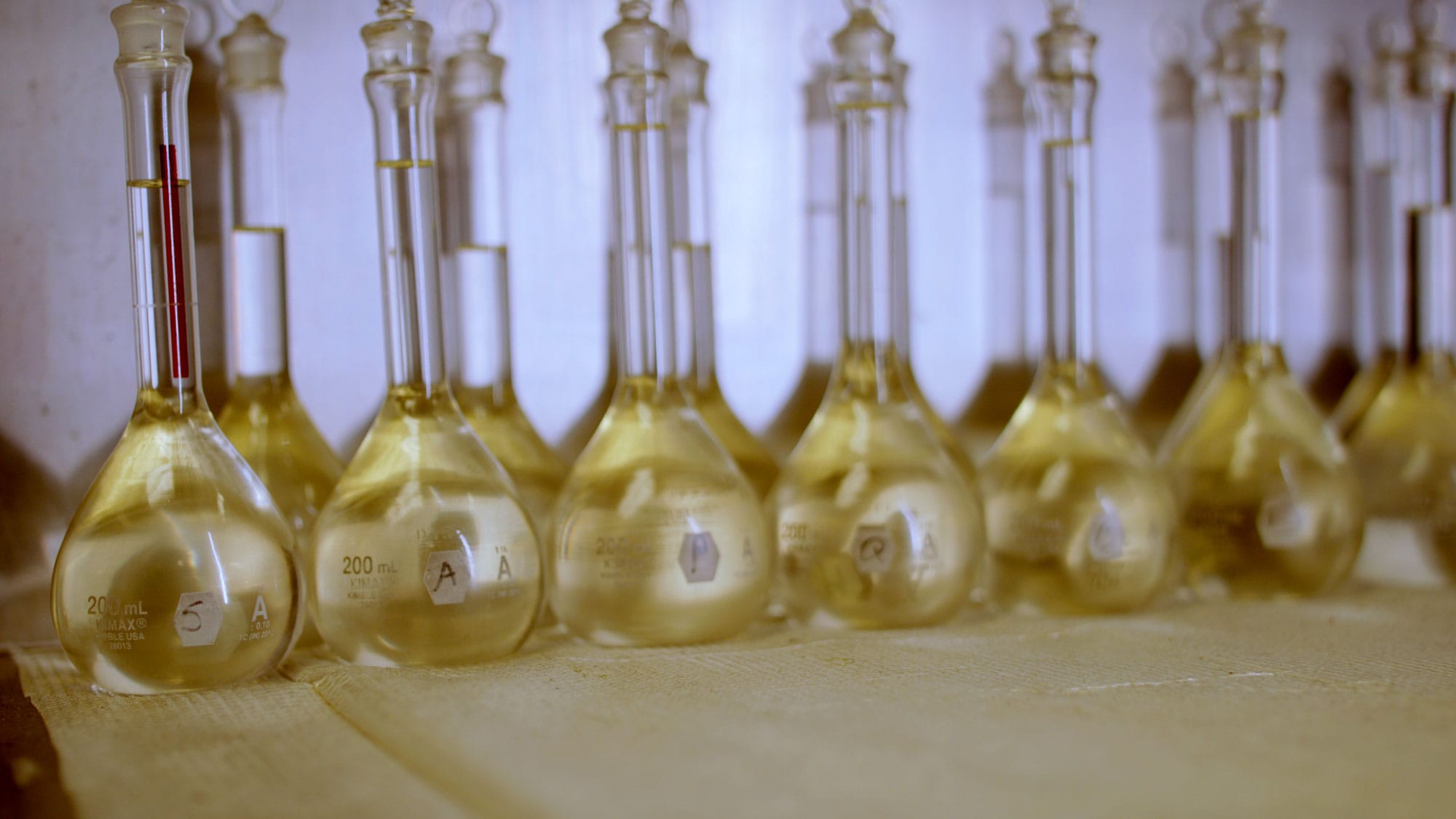
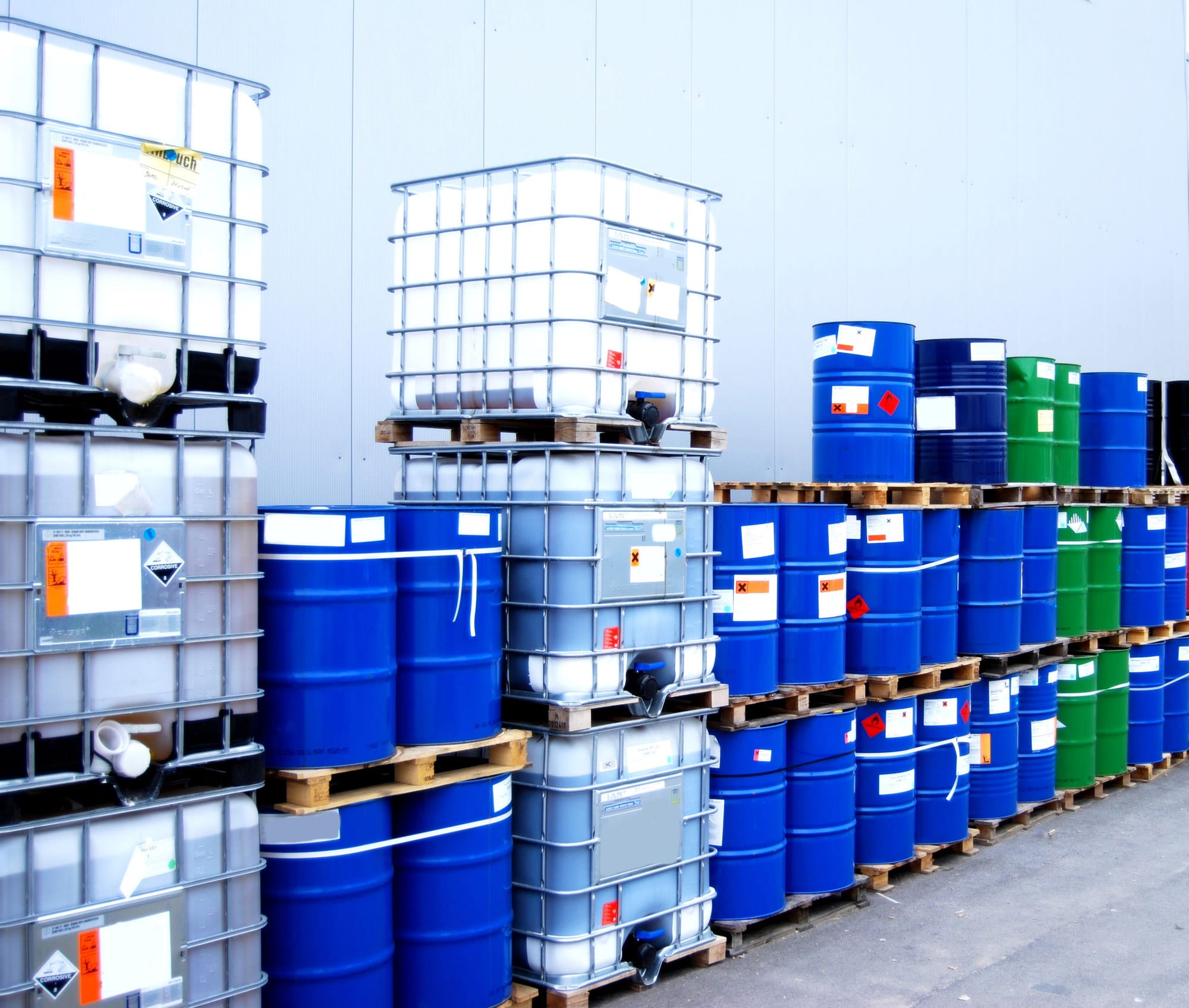
U.S. Lubricants has capabilities that far exceed the competition including world-class, on-time delivery and tank monitoring systems, an ISO-certified blending facility, our own laboratories, numerous bulk storage plants, and distribution centers. Our sales team is focused on providing our customers with tailored solutions, no matter your size.
Find out how you can extend oil drain intervals for your fleet while not compromising engine life with oil analysis and product solutions from U.S. Lubricants.
Continue Reading
Carriers and repair shops are continuously looking for ways to reduce their total cost of ownership (TCO). Today, supply chain disruptions and material shortages play a significant role in...
Continue Reading
Most manufacturers are searching for solutions to mitigate risk through technology. As a result of ongoing supply chain disruptions, leaders are investing a greater amount of time and money...
Continue Reading
A lubrication program tailored to your business goals will strengthen your fleet, shop, or plant. Lubrication programs provide several benefits, and they should be evaluated every couple of years...
Continue Reading
Finding a reliable and certified lab to partner with is critical for your short line railroad, terminal, port, or mechanical shop. We encourage you to explore alternatives to your...
Continue Reading
Engineers, purchasers, and maintenance personnel are continuously weighing available options to achieve maximum profitability for their unique business needs. There’s an undeniable benefit when increasing base slate categories, however,...
Continue Reading Viscosity is perhaps the most important physical property of any lubricant. Viscosity is the property of a fluid, semifluid, or semisolid substance that measures its resistance to flow. The...
Continue Reading Contamination is often found in headspace that is not managed properly. If contaminates are found, devices such as expansion chambers, desiccant breathers, or hybrid systems can be implemented to help manage contaminants. Routine oil...
Continue Reading Managing the contamination of lubrication is widely known as one of the most important factors in maximizing equipment health. While selecting the appropriate lubrication provider can play an important...
Continue Reading
We have likely all been in a situation where something unexpected happens and the situation results in costing a couple hundred or thousand dollars. Yet, after that situation occurs,...
Continue Reading
Live zone sampling is a new trend in oil analysis to obtain the most representative sample. This process entails collecting the sample from where the fluid is moving. For...
Continue Reading
We have likely all been in a situation where something unexpected happens and the situation results in costing a couple hundred or thousand dollars. Yet, after that situation occurs,...
Continue Reading The lubricants industry is no stranger to commodity formulations. You may have received a sales pitch or two from a recycler in your career and been enticed by the...
Continue Reading
Variability in oil analysis can come from each step of the collection process. The environment, user, and instrumentation used can all contribute to variation in results. In this article, we will provide best practices for you...
Continue Reading
According to the National Fire Protection Association (NFPA) 110, part 8.3.7, a fuel quality test is required at least annually using appropriate American Society for Testing and Materials (ASTM)...
Continue ReadingSign up now to receive our quarterly newsletter, with industry specific news and information, best practices for lubrication solutions, product spotlights, and more!
By submitting this form, you are consenting to receive marketing emails from: U.S. Lubricants, 425 Better Way, Appleton, WI 54915, US, https://www.uslube.com. You can revoke your consent to receive emails at any time by using the SafeUnsubscribe® link, found at the bottom of every email.